In the vibrant field of tourism, Korea's allure has soared, attracting millions with its rich history, dynamic culture, and diverse fields. However, navigating this captivating yet complex country can daunt even the most seasoned traveler. This is where professional tour guides, the unsung heroes of the best Korea travel guides Korea, come into play.
The role of a guide is not merely to lead, but to educate, inspire, and ensure a safe, enriching experience. Yet, the industry faces challenges: keeping up with demand, offering personalized experiences, and staying ahead of a rapidly changing travel field.
This article dives into a day in the life of a professional Korea tour guide, exploring their expertise, the challenges they face, and how the best guides raise the Korean travel experience to a true cultural immersion.
- Morning Routine: Setting the Stage for a Successful Day
- Pre-Tour Preparation: Understanding Client Needs
- Guiding Tour: Navigating Historic Sites and Modern Wonders
- Cultural Insights: Educating and Engaging Tourists
- Logistics Mastery: Time Management and On-Site Coordination
- Post-Tour Reflection: Feedback, Growth, and Best Korea Travel Guides' Practices
Pre-Tour Preparation: Understanding Client Needs
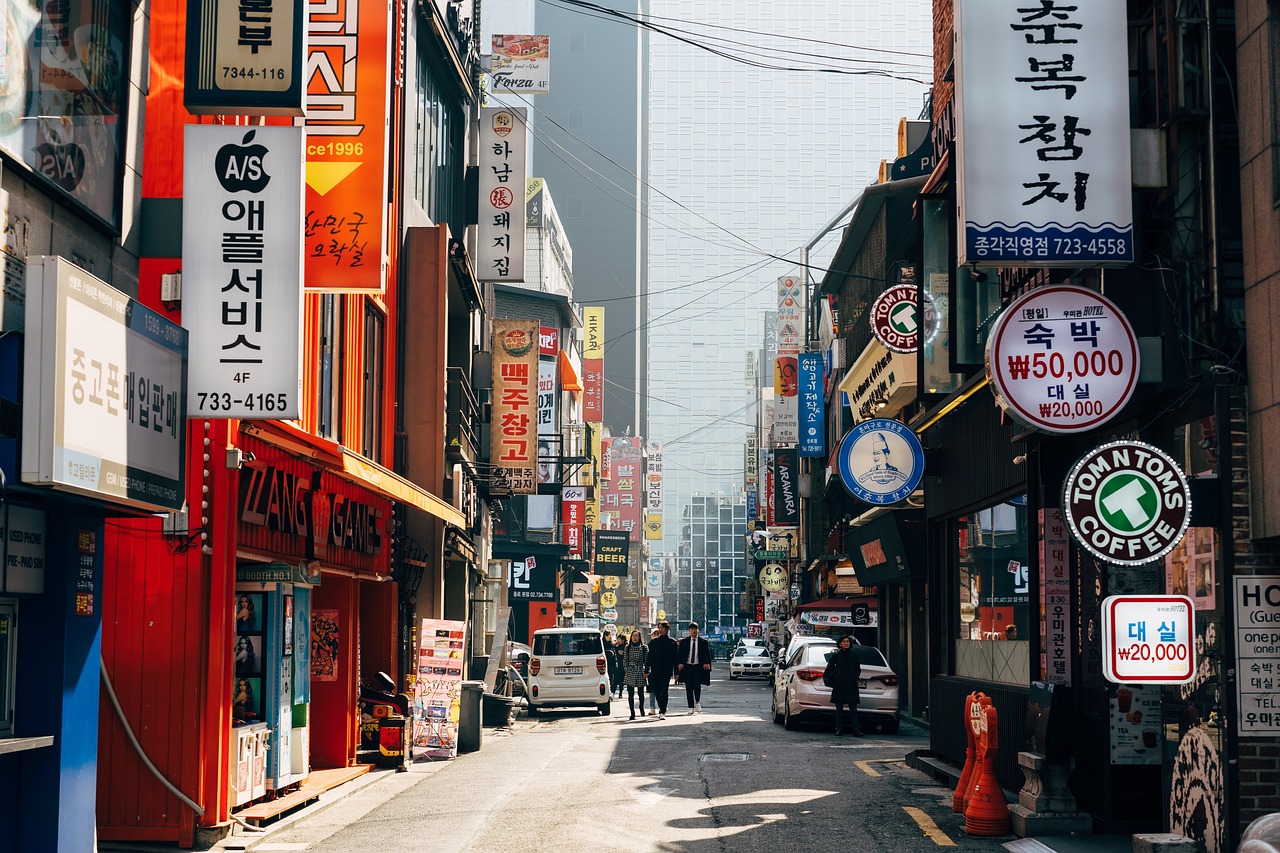
A successful day on the job for a Korea tour guide begins long before the first client steps through the door. It requires meticulous pre-tour preparation to ensure that every client's unique needs and expectations are met, leading to unforgettable Korea cultural experiences for families and beginners alike. The best Korea travel guides Korea understand that a tailored itinerary is the foundation of a great trip.
Consider the diverse range of travelers who might seek out a guide: families yearning for a blend of history and fun, couples looking for romantic escapes, or solo adventurers eager to immerse themselves in Korean culture. Each group has distinct desires and abilities. A skilled guide will gather detailed information from clients before the tour, delving into their interests, budget, and any special considerations. A family might prioritize visits to children-friendly attractions like Lotte World or COEX Aquarium, while budget-conscious beginners could opt for free or low-cost experiences like exploring Namsan Park.
This pre-tour dialogue is important for crafting a balanced itinerary. It allows the guide to recommend affordable Korea vacation packages that align with the clients' aspirations. A guide might suggest a morning hike in Hallasan National Park followed by a visit to a local market for a culinary tour, catering to adventurous types on a budget. Understanding client limitations is vital for safety. A guide should be aware of any physical restrictions, language barriers, or cultural sensitivities, ensuring a comfortable and secure experience for all. By focusing on these aspects, the best Korea travel guides Korea deliver personalized journeys that exceed expectations.
Guiding Tour: Navigating Historic Sites and Modern Wonders
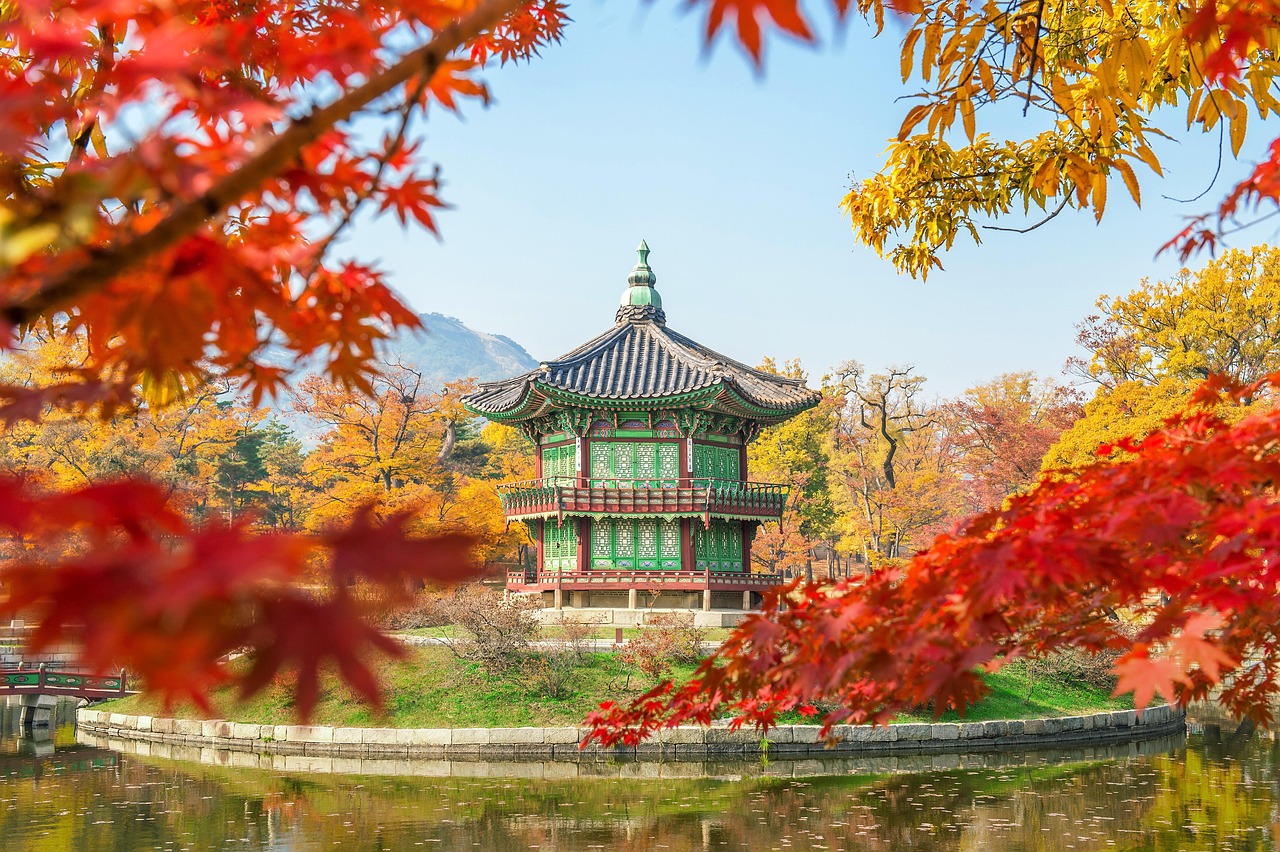
As a professional Korea tour guide, navigating the diverse field of historic sites and modern wonders is a daily challenge. My day begins at dawn, when I meet my clients at their hotel in the heart of Seoul. We embark on our journey, first stopping at Gyeongbokgung Palace, where the grandeur of Korean history unfolds. This grand palace, built in 1395, is not just a monument but a living sign to the Joseon Dynasty, with its intricate architecture and fascinating stories. I point out the subtle details that make it one of Korea's most significant cultural treasures, sharing lesser-known anecdotes that bring the site to life.
After a thorough exploration, we move on to Bukchon Hanok Village, a charming neighborhood known for its traditional Korean houses, or hanoks. Here, I emphasize the importance of preserving Korea's architectural heritage. We wander through the narrow alleys, taking in the intricate designs and learning about the lives of the people who call these homes their own. This intimate setting allows for a more personalized experience, where clients can ask questions and gain insights into Korean culture that they might miss in a standard tour.
Later in the afternoon, we ascend Namsan Tower, offering panoramic views of the city below. This modern wonder contrasts sharply with the ancient palaces we visited earlier. I use this moment to discuss the evolution of Seoul, highlighting the city's ability to blend its rich history with contemporary development. On a clear day, we can even spot the iconic Lotte World and the bustling streets of Myeongdong, showcasing the vibrant present alongside the city's storied past.
Throughout the day, I ensure my clients' safety and comfort, sharing important emergency contact numbers, including those of the Korean Fire Service and Police 112. I also provide recommendations for post-tour activities, such as visiting the COEX Aquarium or exploring Namsan Park. My role extends beyond guiding; it's about creating a memorable experience that goes beyond the surface, introducing clients to the soul of Korea. Many clients are surprised to learn about the top-secret hiking spots in Hallasan National Park, which offer an unique perspective on the country's natural beauty. By the end of the day, I strive to have not just satisfied travelers but inspired them with the rich mix of Korea's historical and modern wonders.
Cultural Insights: Educating and Engaging Tourists
As a professional tour guide in Korea, my day is far from a typical tourist experience. It's about guiding, educating, and engaging visitors, ensuring they not only see the sights but also understand the cultural nuances and history behind them. My role is to offer an unique perspective, one that goes beyond the typical "the service" list. It's about creating memorable interactions and fostering a deeper connection with the country's rich heritage.
A morning walk through Bukchon Hanok Village, for instance, isn't just about admiring traditional Korean architecture. I share stories of the village's transformation from a bustling marketplace to a peaceful haven, preserving a glimpse into old Seoul. This contextualization enriches the experience, making it more than just a visit to nearby attractions in Korea. When we reach Gyeongbokgung Palace, I don't just point out the grand gates; I examine the royal history, explaining the intricate symbolism embedded in every structure. This level of detail allows tourists to appreciate the temple's architectural brilliance and cultural significance.
Cost-effective temple visits are a specialty of mine. I've curated routes that blend iconic spots with lesser-known gems, ensuring a diverse yet budget-friendly itinerary. A morning at Cheonjeyeon Waterfall, followed by a visit to a local art gallery in Gwanju, offers an unique blend of natural beauty and cultural immersion. These off-the-beaten-path experiences not only save tourists money but also provide a more authentic Korea. I also emphasize the importance of safety and convenience, ensuring tourists are aware of services like the Korean Fire Service and Police 112, as well as the value of travel insurance, especially when engaging in outdoor adventures like hiking Hallasan National Park.
Logistics Mastery: Time Management and On-Site Coordination
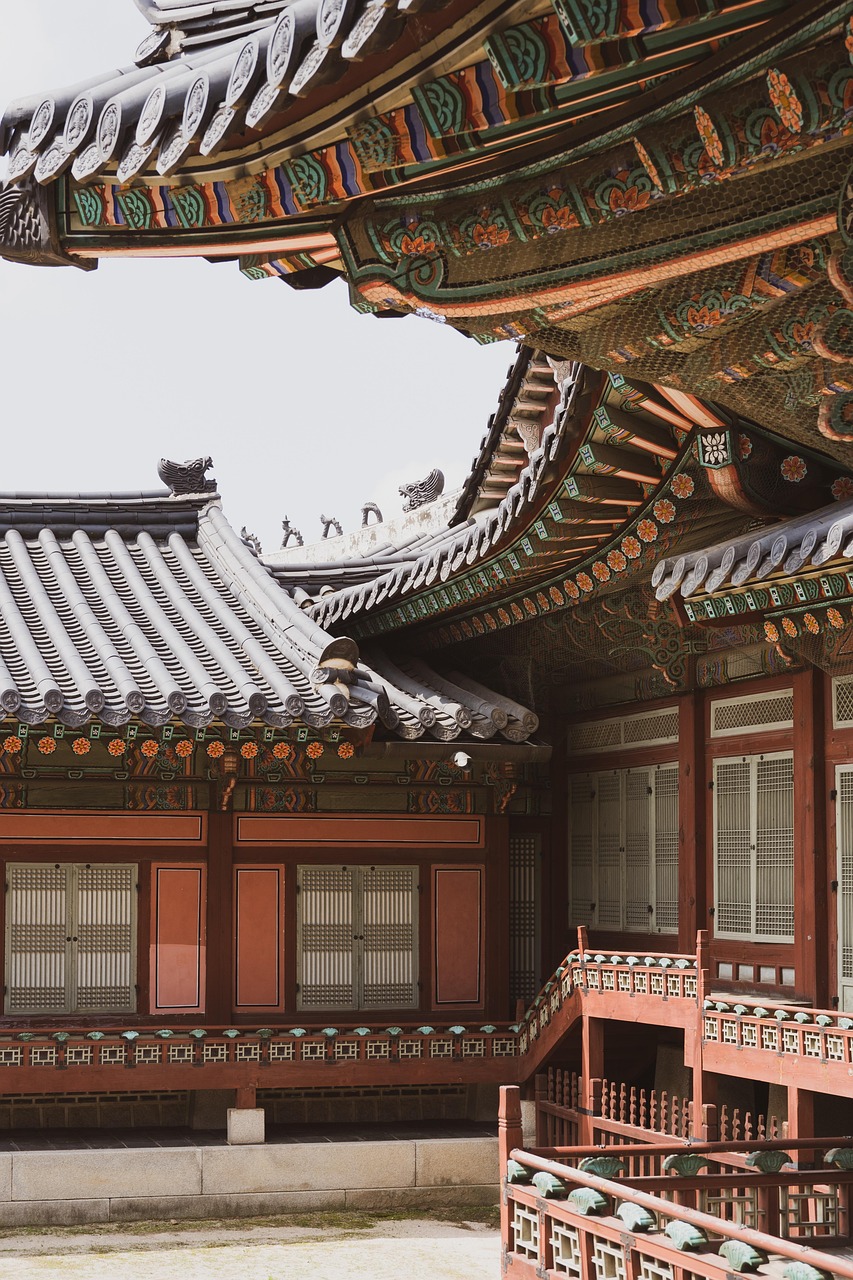
As a professional Korea tour guide, time management and on-site coordination are paramount. The day unfolds with a well-crafted plan, meticulously adjusted to accommodate the dynamic nature of travel. Consider a typical day guiding a small group through Seoul:
The morning starts with a brief, detailed briefing, ensuring everyone understands the day's itinerary. This includes not only must-visit historical sites like Gyeongbokgung Palace and Namsan Tower but also lesser-known cultural gems, like Bukchon Hanok Village, which offers an unique glimpse into traditional Korean architecture. Timing is important; we aim to arrive at each attraction at best hours to capture the best light and avoid crowds. Reaching Namsan Tower early provides a clear view of the cityscape and minimizes wait times.
After a day of exploring, the group's energy levels ebb and flow. Here's where adaptability comes into play. If time permits, we might swing by a nearby attraction like the COEX Aquarium, offering a calming interlude. Conversely, if the group is eager for a break, we could opt for a quick bite at Gwangjang Market, renowned for its vibrant food scene. The key is to balance the group's interests and physical needs, ensuring everyone remains engaged and comfortable throughout the day.
Reliable travel services are integral to smooth coordination. Utilizing top-secret Korea hiking spots, like the scenic trails around Hallasan National Park, requires a deep understanding of local transportation and weather conditions. The T-money Card, a versatile transport pass, allows for easy navigation between attractions and public transport hubs. This, coupled with real-time weather updates, ensures we can adjust plans accordingly. If a sudden downpour is predicted, we might switch from a hike to a museum visit, like Gwanju Art Museum, showcasing Korea's rich artistic heritage. By combining meticulous planning with adaptability, the service deliver an unforgettable experience tailored to each group's unique dynamic.
Post-Tour Reflection: Feedback, Growth, and Best Korea Travel Guides' Practices

After a day full of guiding tourists through Seoul's bustling streets or the serene beauty of Hallasan National Park, a professional Korea tour guide's work isn't truly done. The post-tour reflection period is a critical phase where the service refine their craft, incorporate feedback, and ensure they're providing the most enriching, cost-effective Korea temple visits and experiences. This reflection process isn't just about personal growth; it directly influences the overall quality of the tours offered by the service.
One of the most valuable tools for guides is post-tour feedback. While some travelers leave reviews online, personal, in-depth feedback is often more enlightening. A survey conducted in 2022 by the Korea Tourism Organization (KTO) revealed that 78% of tourists who provided feedback after a guided tour praised the guide's knowledge and overall service. This data underscores the importance of listening to travelers' experiences, whether it's a same-day tour of Seoul's historical sites or a multi-day journey through the country's diverse fields. By understanding what worked and what didn't, guides can tailor their approaches to create more affordable Korea vacation packages that meet diverse traveler preferences. A guide might discover that clients appreciate more time spent at local markets like Gwangjang Market, leading to adjustments in future itineraries.
The service also value continuous learning. They analyze trends, stay updated on the latest tourism statistics, and adapt their practices accordingly. Data showing a growing interest in outdoor adventures could prompt guides to incorporate more hiking and nature tours, like those in Hallasan National Park or along the Seongsan Ilchulbong Peak. Conversely, changing economic conditions might necessitate offering more cost-effective options, such as exploring local neighborhoods instead of high-end restaurants. By embracing this dynamic approach, guides ensure their tours remain relevant and appealing to a wide range of travelers, from budget-conscious adventurers to luxury seekers. This adaptability not only reflects the evolving nature of the tourism industry but also guarantees that the service can deliver exceptional experiences, whether it's a quick same-day trip or an extended vacation.
Frequently Asked Questions About A Day in the Life: Following a Professional Korea Tour Guide
What does a professional Korea tour guide do on a typical day? A professional Korea tour guide handles a diverse schedule, catering to a group's interests. Their day begins with planning and ends with post-tour debriefings. Throughout, they manage logistics, provide cultural insights, and ensure everyone's safety and enjoyment. This involves coordinating transportation, booking venues, translating, and adapting to real-time changes.
How many people does a tour guide usually work with? Tour guides in Korea typically lead groups of 10 to 20 tourists, both domestic and international. This number allows for effective communication and tailored experiences. The guide's role is to make sure everyone in the group, from the youngest to the oldest, has a memorable and safe journey.
What kind of training do Korea tour guides receive? Korea's tour guide industry is regulated, with candidates completing rigorous training programs. These include cultural education, language skills, first aid, and tourism management. Many guides also have college degrees or extensive travel experience. The training lasts 40 to 60 hours, depending on the guide's certification level.
Do tour guides earn a set salary or is it based on tips? Tour guides in Korea typically earn a base salary plus performance-based bonuses and tips. The average monthly income for a professional tour guide in Seoul is around 3 to 5 million KRW ($2,300 to $3,800 USD). This can vary based on experience, the size of the group, and customer satisfaction.
What are some of the most popular tourist attractions for Korea tour guides to include? Popular attractions vary by tour type and season, but common choices include Gyeongbokgung Palace, Bukchon Hanok Village, and Namsan Tower. Guides often tailor routes to include local markets, temples, and scenic viewpoints, providing a well-rounded cultural experience. A food tour might include visits to traditional markets and local eateries.
How do tour guides handle language barriers with non-Korean speaking tourists? Tour guides are fluent in at least one foreign language, often English. They also use advanced translation apps, real-time interpretation services, and carefully prepared materials to facilitate communication. This ensures clear and accurate information for all tourists, enhancing the overall experience.
What safety measures do tour guides take during trips? Tour guides are responsible for the safety of their group and take several measures. These include staying in constant communication with group members, carrying first aid kits, having emergency contact lists, and adhering to local regulations. In high-risk areas, guides may also provide safety briefings and monitor conditions closely.
As we've explored the intricacies of a day in the life of a professional Korea tour guide, several key insights emerge. From the meticulous morning routine that sets the stage for a successful day, to the critical pre-tour preparation that ensures client satisfaction, and the guided tour that allows our experts to showcase Korea's rich history and modern marvels, each aspect is vital. The cultural insights shared highlight the importance of education and engagement, providing tourists with a deeper understanding and appreciation of the destinations. Logistics mastery, including time management and on-site coordination, ensures that the day runs smoothly, and post-tour reflection allows guides to continuously grow and refine their practices.
The service, as demonstrated, are not just tour leaders; they are cultural ambassadors, logisticians, and educators. By understanding client needs, navigating historic sites with ease, and offering unique insights, these guides create unforgettable experiences. Their expertise and dedication to their craft are evident in every aspect of their work, from the planning to the post-tour feedback.
Taking these insights to heart, aspiring guides can raise their skills and provide exceptional experiences. Implementing structured morning routines, refining pre-tour preparation techniques, and embracing cultural immersion strategies will ensure that every tour is a success. Focusing on logistics mastery and continuous reflection will enable guides to adapt and grow, ensuring they remain at the forefront of the industry.
Professional Korea Tour Guides: Crafting Memorable Experiences
Successful Korea tour guides excel at pre-tour preparation, understanding clients' diverse needs. They tailor itineraries, from historic sites to modern wonders, ensuring unique, safe, and budget-friendly experiences. Post-tour reflection and feedback are important for continuous improvement, allowing guides to offer the best Korea travel experiences, catering to all.