Korea's ancient temples, nestled within verdant mountains and historic cities, offer a captivating glimpse into the country's rich cultural heritage. Yet, exploring these sacred sites often comes with concerns about accessibility and cost, especially for budget-conscious travelers. This article, drawing from the insights provided by some of the best Korea travel guides Korea has to offer, examines into practical and cost-effective strategies to immerse oneself in the serenity and spiritual essence of these timeless temples. We'll uncover lesser-known options, explore free or donation-based practices, and provide actionable tips for a meaningful, affordable temple experience.
- Discovering Korea's Sacred Sites on a Budget
- The Lesser-known options: Off-the-Beaten-Path Temples
- Exploring Temple History: A Cultural Journey
- Practical Tips for Temple Visits: What to Expect
- Nature's Companion: Hiking to Temple Retreats
- Local Experiences: Connecting with Temple Communities
Discovering Korea's Sacred Sites on a Budget
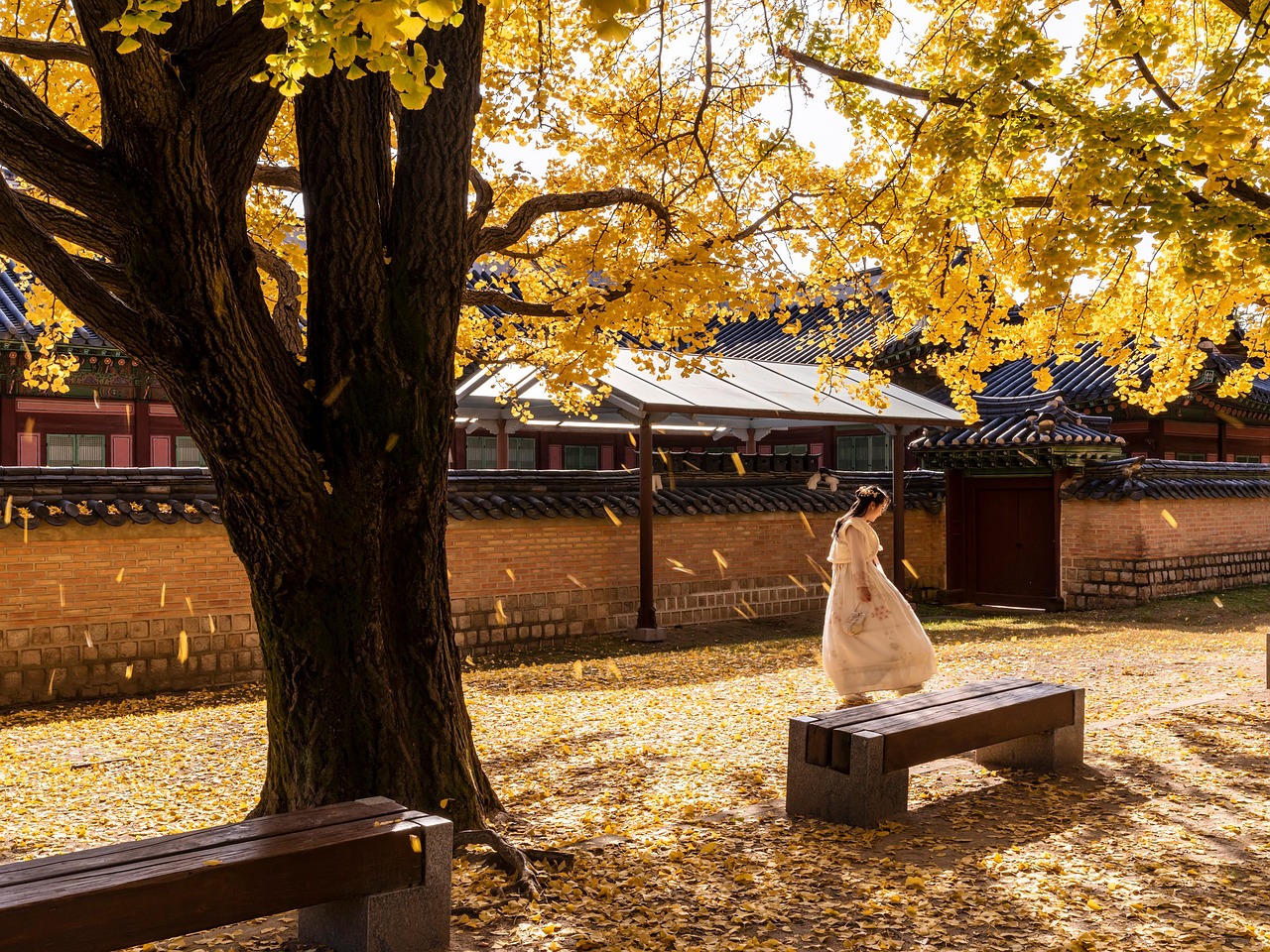
Exploring Korea's ancient temples on a budget can be a deeply rewarding experience, allowing visitors to connect with the country's rich spiritual heritage without breaking the bank. Unlike many other tourist attractions, many temples offer free admission, while others charge nominal fees that are easily offset by the cost of a simple meal or local transportation. This accessibility is part of what makes Korea's temple culture unique; it's a living tradition where visitors can freely walk among the pagodas, admire the intricate woodcarvings, and even participate in meditation sessions.
consider Gyeongbokgung Palace, one of Seoul's most iconic historical sites, which has a vast collection of traditional Korean architecture and art. While the temple itself is not a major draw, the surrounding areas are, with numerous smaller temples and shrines that often have open-to-public areas where visitors can gain a glimpse into Korea's Buddhist past. Similarly, Bukchon Hanok Village, located just a short walk from Gyeongbokgung, offers a glimpse into traditional Korean living through its charming, centuries-old homes. This blend of history and culture makes exploring Korea's ancient sites a multifaceted experience that appeals to a wide range of travelers, all while remaining economical.
Experienced Korea tour operators and trusted travel guides often recommend using public transportation like the Seoul Metro or Busan Metro to visit these sites. The T-money Card, a rechargeable transportation card, is a convenient and cost-effective way to handle both cities and smaller towns. This card can be purchased for a small fee and is accepted on buses, subways, and even some ferry services. Many temples are located within walking distance of subway stations, making them easily accessible for budget-conscious travelers. The local's guide to Seoul's subway 1, for example, emphasizes the efficiency and affordability of this public transit system, which can save visitors significant amounts of money compared to private tours or taxi fares.
When planning your temple visits, consider packing a light lunch or snacks to save money on meals. Many temples have cafes or restaurants on-site, but they can be pricier than local eateries. Be mindful of opening hours and special events; some temples offer free performances or exhibitions during certain times of the year, which can enhance your experience without any additional cost. By combining these practical tips with the expert insights from the best Korea travel guides Korea, you can create a memorable journey through Korea's sacred sites while maintaining a tight budget.
The Lesser-known options: Off-the-Beaten-Path Temples

Exploring Korea's ancient temples offers a profound cultural immersion, but many travelers may overlook the lesser-known options off the beaten path. For those on a budget, these lesser-known temples provide an unique opportunity to experience Korea's rich spiritual history without breaking the bank. Unlike popular tourist spots that can be crowded and expensive, these off-the-beaten-path temples offer a more authentic and affordable experience, making them ideal for budget-conscious travelers and those looking for genuine cultural insights.
One such hidden gem is the Gyeongbokgung Palace Temple, located within the historic Gyeongbokgung Palace complex in Seoul. While the palace itself demands an entry fee, visitors can explore the surrounding areas for free, including this serene temple. This temple, with its traditional architecture and peaceful atmosphere, provides a glimpse into Korea's past without the hefty price tag often associated with temple visits. Similarly, Bukchon Hanok Village in Seoul's Insadong district offers a network of narrow alleys filled with traditional Korean houses and several small temples, many of which are free to enter. Here, travelers can wander through the village's charming streets, admire the hanok architecture, and discover tranquil temples that feel worlds away from the bustling city.
For those venturing outside Seoul, Hallasan National Park on Jeju Island is home to several ancient temples nestled amidst breathtaking fields. While some temples require small donations, many offer stunning views and a chance to connect with nature, all accessible through the park's affordable entry fees. Seongsan Ilchulbong Peak on Jeju, known for its iconic sunrise views, has a small temple at its summit, offering a peaceful sanctuary for reflection after the climb. These off-the-beaten-path temples not only provide cost-effective experiences but also introduce travelers to the diverse spiritual practices and natural beauty that define Korea's cultural field. Trusted Korea travel guides often recommend these spots, highlighting them as authentic and affordable alternatives to more popular destinations, making them valuable resources for budget-conscious and culturally curious travelers.
Exploring Temple History: A Cultural Journey
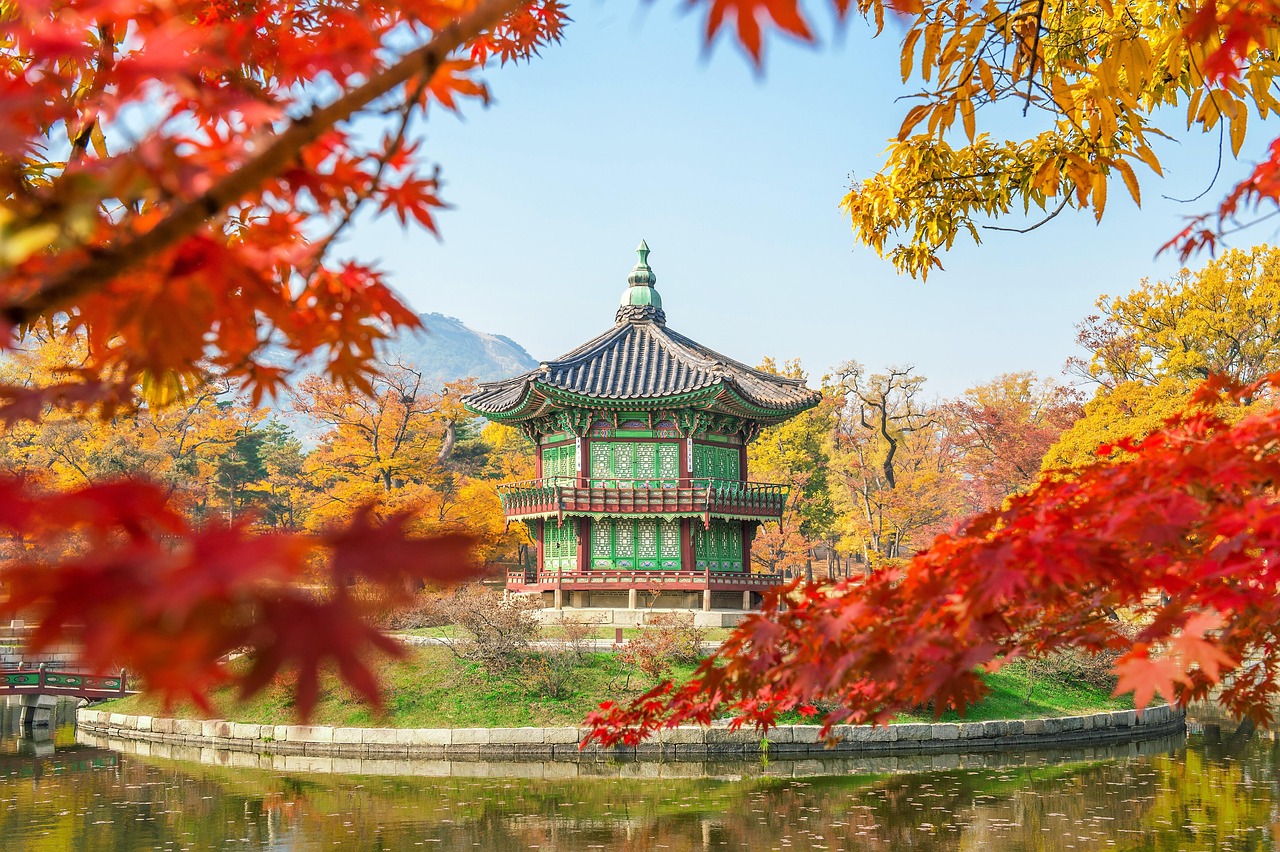
Exploring Korea's ancient temples offers a profound cultural journey, providing insights into the nation's rich history and spiritual traditions. These sacred sites, many dating back centuries, are not only architecturally stunning but also steeped in ritual and folklore. A visit to these temples allows travelers to connect with Korea's past, offering an unique perspective into a society that balances deep cultural reverence with vibrant modernity.
For budget-conscious travelers, same-day tours in Seoul offer an efficient way to experience multiple temples. These guided tours, often facilitated by the best korea travel guides korea, enable visitors to maximize their time, visiting iconic sites like Gyeongbokgung Palace and Changdeokgung Palace in a single day. Such tours can be highly rewarding, providing both historical context and a tangible sense of Korea's spiritual field. A same-day tour might include a visit to Jogyesa Temple, known for its beautiful Korean-style architecture and bustling atmosphere, followed by a stroll through Bukchon Hanok Village to witness traditional Korean homes.
Beyond Seoul, regional exploration reveals temples with distinct personalities. Hallasan National Park, home to the mystical Seongsan Ilchulbong Peak, offers a blend of natural beauty and spiritual energy. Further south, the serene Cheonjeyeon Waterfall and Hyeopjae Beach provide a tranquil backdrop for reflection, while the Busan Museum of Art offers a cultural complement to the spiritual experience. These diverse destinations showcase the adaptability of temple visits, suitable for both budget travelers seeking authentic experiences and those looking for a mix of outdoor adventure and cultural immersion.
To enhance the temple experience, consider incorporating street food tours. Korean street food offers a delicious and affordable way to explore local flavors and connect with the vibrant energy of Korean cities. From savory tteokbokki to sweet bingsu, these culinary experiences can complement temple visits, providing a more complete understanding of Korea's rich cultural heritage. By combining temple history, regional exploration, and budget-friendly food tours, travelers can create a truly memorable journey through Korea's ancient spiritual sites.
Practical Tips for Temple Visits: What to Expect
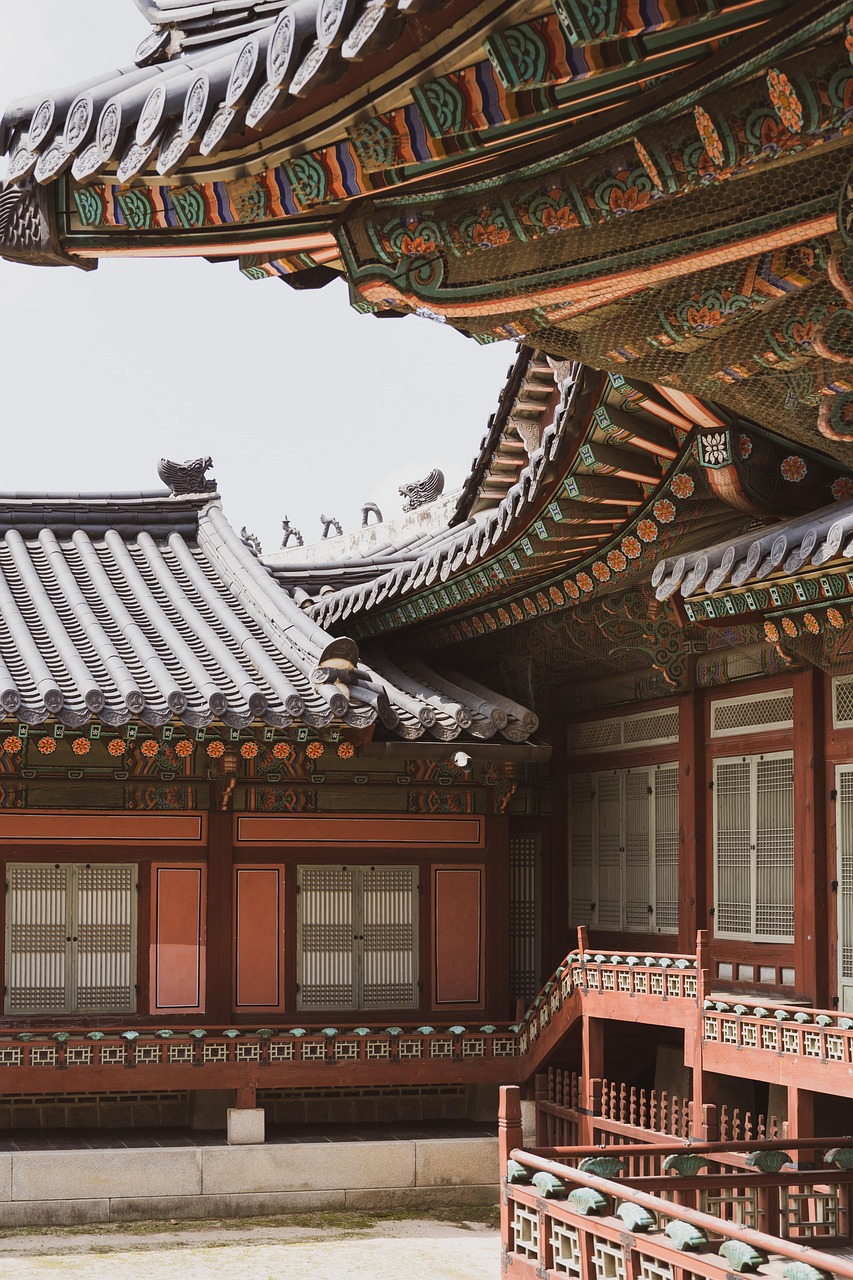
Exploring Korea's ancient temples offers a profound cultural experience, but visitors often worry about the cost. However, with some strategic planning, you can have meaningful interactions with these sacred sites without breaking the bank. This section provides practical tips for cost-effective temple visits, drawing from insights found in the best Korea travel guides Korea that cater to budget-conscious travelers.
Many temples offer free entry or discounted rates for certain days of the week or during off-peak hours. Some temples in Seoul waive admission fees after 5 PM on weekdays. Check the temple's official website or inquire at the entrance for these opportunities. Many temples provide free guided tours, allowing visitors to examine deeper into the history and cultural significance of each site. These tours are led by knowledgeable volunteers or monks who can offer unique perspectives unavailable in guidebooks.
For those interested in exploring beyond the cities, top-secret Korea hiking spots near temples offer breathtaking views and a chance to immerse oneself in nature. Hiking trails like the ones leading to Seongsan Ilchulbong Peak in Jeju Island or Hallasan National Park's scenic routes provide both physical activity and spiritual inspiration. While some trails may require a small entry fee, the overall experience is highly affordable and accessible. Remember to respect local regulations and always follow marked trails to ensure a safe and enjoyable experience.
cost-effective Korea temple visits are not just possible but readily accessible to budget-conscious travelers. By taking advantage of free entry days, guided tours, and exploring nearby hiking spots, visitors can enrich their cultural immersion without overextending their travel budget. The best budget travel Korea guides emphasize these strategies, ensuring travelers can fully appreciate the sacred beauty of Korea's ancient temples.
Nature's Companion: Hiking to Temple Retreats
Exploring Korea's ancient temples on a budget doesn't mean missing out on the serene beauty of nature and the spiritual experiences these sites offer. Hiking to temple retreats provides a cost-effective, immersive way to connect with Korea's rich Buddhist heritage. Many temples are nestled in picturesque fields, offering a peaceful escape from bustling cities like Seoul.
Bukchon Hanok Village near Gyeongbokgung Palace in Seoul is home to numerous temples accessible by foot, allowing visitors to stroll through historic streets and discover tranquil spiritual oases. Hiking trails in and around Hallasan National Park on Jeju Island provide access to stunning temples such as Manjanggul Temple, where the natural beauty of the island meets the spiritual tranquility of Korean Buddhism. These temple hikes often come with breathtaking views, offering an unique perspective on Korea's cultural and natural wonders.
When planning an affordable Korea vacation package, consider incorporating temple hikes into your itinerary. Many temples welcome visitors with no charge or a nominal donation, making them an accessible and economical option for exploring Korea's ancient culture. Plus, Korea's solid public transportation system, like the Seoul Metro and Busan Metro, makes reaching these destinations easy and affordable. Not to mention, the T-money Card, a rechargeable transport card, simplifies payments and offers discounts on public transit, further enhancing the budget-friendliness of your trip.
It's also important to be prepared with the right information. Knowing emergency contact numbers in Korea, such as 119 for fire and medical emergencies, is vital. Considering a street food tour can round out your cultural experience without breaking the bank. Korea's street food scene offers a variety of delicious and affordable options, allowing you to taste the country's rich culinary heritage without spending a fortune. Best Korea travel guides Korea often highlight these lesser-known options, ensuring a well-rounded and memorable trip that respects your budget.
Local Experiences: Connecting with Temple Communities
Connecting with temple communities offers a profound, cost-effective way to experience Korea's ancient temples. Unlike popular tourist sites, these intimate settings provide a glimpse into Korea's rich cultural heritage. According to the Korea Tourism Organization, temple visits are among the top-rated Korea adventure tours, drawing millions of visitors each year.
Many temples offer affordable accommodation options, allowing travelers to immerse themselves in the daily lives of monks and nuns. The historic Gyeongbokgung Palace, one of Seoul's most visited attractions, is adjacent to several temples where visitors can stay overnight for as little as 10,000 KRW per night. This not only saves on accommodation costs but also deepens cultural understanding. Local experiences, like participating in temple rituals or sharing meals with the community, provide insights unavailable in guidebooks.
Top-secret hiking spots near temples, often overlooked by mass tourism, offer breathtaking fields and solitude. The scenic trails around Hallasan National Park, home to the dormant volcano and Korea's highest peak, are a sign of this. Hiking these trails, especially during the fall, when the foliage is at its most vibrant, can be a deeply satisfying way to connect with nature and local temple communities. The Arirang Bus and T-money Card system make navigating these areas convenient and affordable, making these experiences accessible to budget-conscious travelers.
The korea often overlook these local connections, focusing primarily on the architectural grandeur and spiritual significance of temples. However, engaging with the temple communities adds a layer of authenticity to the travel experience. The Korean Red Cross and local fire services ensure safety during these immersive activities, while travel insurance protects against unforeseen incidents. For those seeking a meaningful, cost-effective way to explore Korea's ancient temples, connecting with these communities offers an unique and unforgettable adventure.
Frequently Asked Questions About Cost-Effective Ways to Explore Korea's Ancient Temples
What are the most popular ancient temples in Korea?
Korea has many historic temples, with some of the most visited including Bulguksa Temple in Gyeongju, known for its beautiful architecture and scenic location; Bongeunsa Temple in Seoul, offering a peaceful urban retreat; and Jogyesa Temple, also in Seoul, which is a center of Buddhist culture and home to a vibrant monk community. These popular sites are accessible and often have affordable entry fees, making them great options for budget-conscious travelers.
How can I explore these temples on a tight budget?
Many ancient temples offer free or discounted entry during off-peak hours or specific days of the week. Some temples are free to enter after 5 pm. Utilizing these discounted times allows visitors to experience the temples without breaking the bank. Many temples provide free guided tours, offering valuable insights into their history and cultural significance.
Are there any guided tours available at a low cost?
Yes, several organizations and local guides offer budget-friendly temple tours. Some temples partner with community-based tour groups that provide guided visits for a small fee. These tours often include transportation and an informative guide, allowing visitors to learn about the temple's history and significance without the high cost of commercial tours.
Can I stay at a temple for an extended period on a limited budget?
Some temples welcome volunteers and offer accommodation in exchange for help with tasks like cleaning or gardening. This option is ideal for those wanting an immersive experience but limited on funds. It's essential to contact the temple directly to inquire about volunteer opportunities and any requirements.
What are some unique ways to contribute to temple maintenance while visiting?
Visitors can contribute to temple preservation by participating in special events or fund-raising activities organized by the temple community. These may include cultural performances, art workshops, or community clean-up days. Such events not only support the temple's maintenance but also provide a deeper cultural exchange.
Are there any online resources to plan a cost-effective temple visit?
Absolutely. Travel blogs and forums dedicated to Korea's temples often offer practical advice on budget travel. These resources can provide insights on the best times to visit, lesser-known options, and tips for saving money. Some temples have official websites with information on upcoming events and volunteer opportunities.
Exploring Korea's ancient temples offers a profound cultural immersion, and doing so on a budget is entirely feasible. The article has introduceed a wealth of insights for cost-conscious travelers seeking authentic experiences. From the lesser-known options off the beaten path, like the serene Bukchon Hanok Village, to the historical sites like Gyeongbokgung Palace, each temple holds an unique story. Practical tips on visiting and navigating these sacred spaces, along with nature-based retreats like Hallasan National Park, provide a balanced and enriching journey.
The korea, then, are not just about listing attractions but practicing cultural connection and local immersion. By engaging with temple communities, as suggested in the article, travelers can gain a deeper understanding of Korea's spiritual heritage. Whether through exploring the historical depths of Changdeokgung Palace or experiencing the natural splendor of Seongsan Ilchulbong Peak, these trips offer more than just sightseeing. They cultivate a sense of belonging and appreciation for the rich traditions that define Korea.
this guide has equipped readers with a toolkit for planning their own temple adventures, ensuring they leave with unforgettable memories and a renewed connection to Korea's ancient wisdom.
Exploring Korea's ancient temples offers a profound cultural experience, but many travelers overlook budget-friendly options. Many temples have open-to-public areas, free admission days, and affordable accommodations, providing genuine insights into Korea's spiritual heritage. Using public transportation, packing a lunch, and participating in temple activities enhance the experience without breaking the bank. The korea recommend these tips, allowing visitors to connect with temple communities, discover lesser-known options, and create memorable, economical cultural immersions.