Understanding cultural etiquette is important for anyone exploring Korea, ensuring a respectful and enriching experience. The best Korea travel guides Korea often overlook the nuances of local customs, leaving travelers susceptible to unintentional offenses. This article examines into the unique cultural etiquette that shapes daily life in South Korea, from greeting customs to dining manners. By grasping these intricacies, visitors can connect more authentically with locals, handle social interactions with confidence, and gain deeper insights into the country's rich heritage. We'll explore practical examples and insights, empowering you to embrace the local culture with sensitivity and enthusiasm.
- Discovering Korea's Respectful Greetings and Salutations
- Dining Etiquette: A Cultural Experience in Korea
- Understanding Personal Space and Physical Contact Norms
- The Art of Gift-Giving: Korean Cultural Traditions
- Dress and Attire: Reflecting Respect in Korean Culture
- Navigating Korean Social Norms: Taboos and Do's
Discovering Korea's Respectful Greetings and Salutations
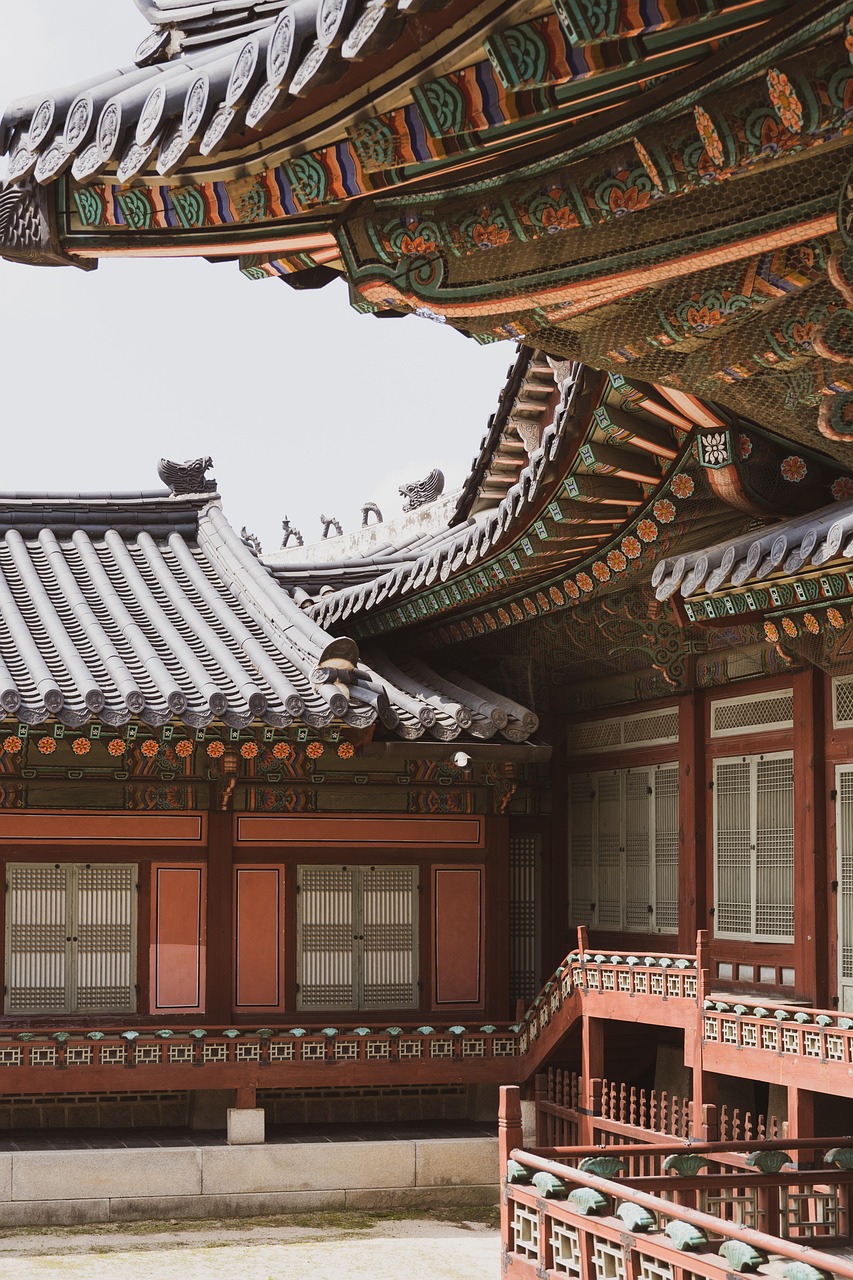
When navigating the vibrant culture of Korea, understanding the nuances of greetings and salutations is essential for any traveler, as these simple exchanges can reveal much about the country's values and traditions. Unlike many Western cultures, where direct eye contact and a firm handshake are common, Korea places a strong emphasis on respect and deference in social interactions, which is reflected in their formal greetings.
The traditional Korean greeting involves a slight bow, with the depth of the bow signifying the level of respect. A slight bow, approximately 15 degrees, is a casual greeting among friends or peers, while a deeper bow, around 30 to 45 degrees, is reserved for elders, superiors, or people of higher social standing. This practice, known as "eul" or "nae" (meaning "reverence" or "bowing"), has been a cornerstone of Korean culture for centuries, fostering a sense of community and respect among its people. When visiting Gyeongbokgung Palace, one of Seoul's most historic sites, observing the formal greetings of the royal guards can offer a glimpse into the traditional etiquette that has been passed down through generations.
Experienced Korea tour operators often emphasize these cultural nuances to their clients, ensuring that travelers not only enjoy the sights but also gain a deeper understanding of the country's rich heritage. The best Korea travel apps for locals, many of which are designed by licensed Korea travel agents, also offer insights into these customs, allowing visitors to engage more authentically with Koreans. Whether it's a simple bow or a more elaborate hand-clapping greeting, these salutations are not just rituals but powerful expressions of Korean identity. By embracing and respecting these traditions, visitors can enhance their travel experience and create lasting connections with the people they meet along the way.
Dining Etiquette: A Cultural Experience in Korea
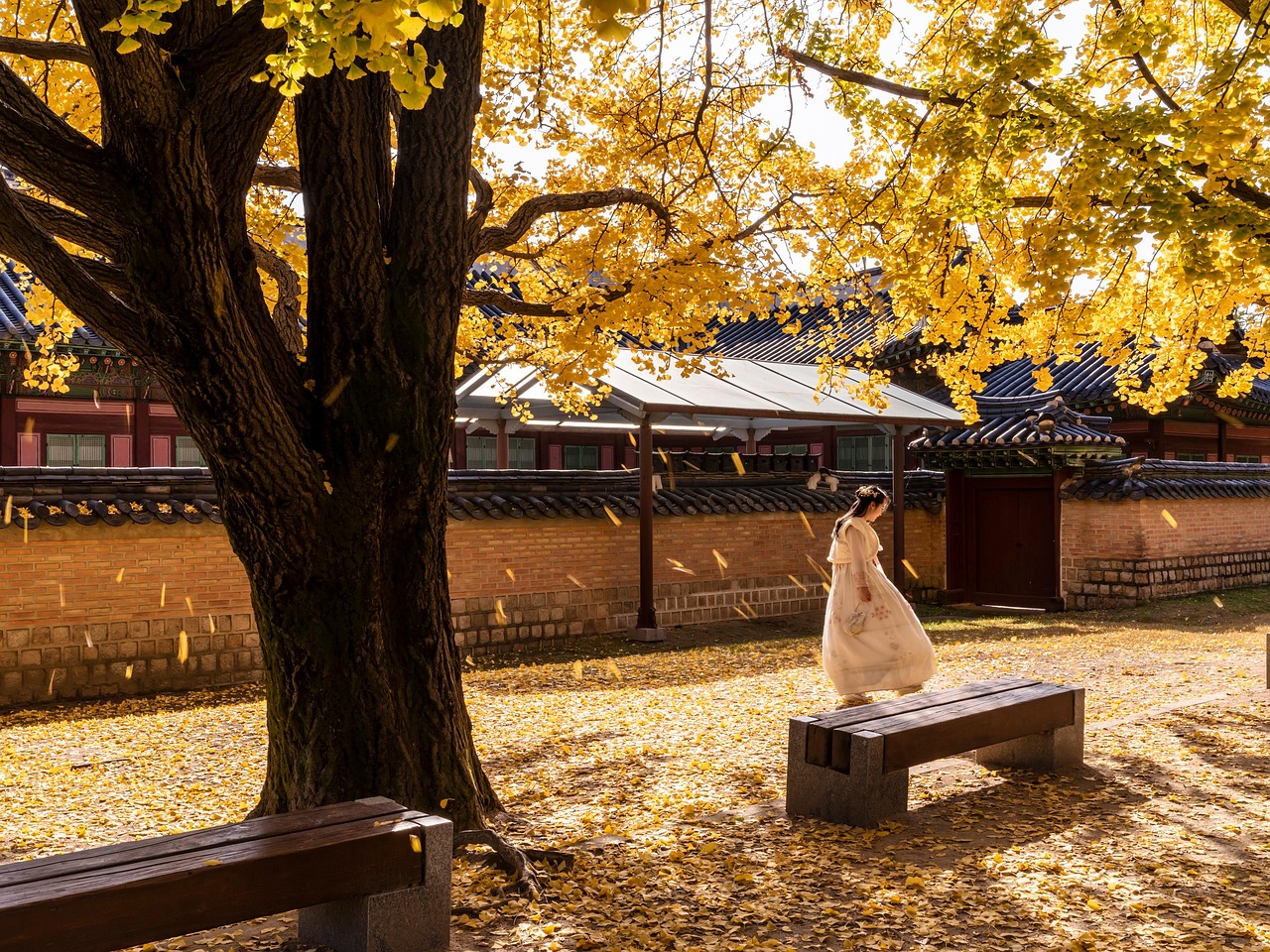
Dining in Korea is more than just a meal; it's an immersive cultural experience that reflects centuries of tradition and values. Understanding dining etiquette is essential for anyone exploring the country, whether through best Korea travel guides Korea or as a beginner navigating the vibrant food scene. Korea travel tips for beginners often emphasize the importance of respect and politeness, and dining etiquette is a prime example.
Korean dining culture emphasizes communal sharing and respect for elders. In traditional settings, the eldest person at the table typically takes the lead in ordering and serving food, a custom rooted in Confucian values. When visiting a Korean home, it's customary to bring a small gift and wait to be seated, showing deference to the host. In restaurants, guests may be expected to remove their shoes before entering, a practice common in many Korean homes to maintain cleanliness.
Table manners play a significant role, with specific rules for using chopsticks, eating from shared dishes, and pouring drinks. When using chopsticks, it's considered polite to pass them with the tips pointing down, and never to stick them upright in a bowl of rice, as this resembles an offering for the deceased. Sharing food is a central part of Korean dining, with dishes like kimchi, bibimbap, and grilled meats meant to be enjoyed collectively. This communal aspect fosters a sense of connection and respect among diners, a key element in understanding the country's rich cultural heritage.
Practical knowledge is equally important. Familiarizing yourself with local customs can prevent misunderstandings and enhance your overall experience. Many Korean restaurants use a T-money Card for payments, a rechargeable card that can also be used for public transportation, like the Seoul Metro or Busan Metro. This card is a convenient way to handle bills and shows a respect for local payment systems. Emergency contact numbers in Korea, such as 112 for police and the Korean Fire Service, should be readily available. Knowing these details ahead of time, whether you're a first-time visitor or an experienced tour operator, can significantly improve your journey, ensuring both safety and a deeper cultural immersion.
Understanding Personal Space and Physical Contact Norms
Understanding personal space and physical contact norms in Korea is important for any traveler looking to connect authentically with locals and avoid unintentionally offending them. Unlike in many Western cultures, personal space and physical touch in Korea are governed by distinct cultural rules, deeply rooted in history and societal norms. These differences can be subtle but significant, particularly when navigating interactions with locals.
Koreans typically maintain a greater distance during conversations compared to people from more intimate-space cultures. While a person from a country like the United States might comfortably stand close to someone they're speaking with, Koreans often keep a 1-2 meter (3-6 foot) buffer, especially with people they don't know well. This distance is not a sign of disinterest but rather a respectful observation of personal boundaries. Similarly, physical contact is generally more reserved. Men shaking hands or women embracing, which might be common in other parts of the world, is often avoided in Korea unless the relationship is very close.
The best korea travel guides korea often emphasize these cultural nuances to ensure visitors can smoothly integrate into local life. Recognizing and respecting these etiquette guidelines can open doors to meaningful interactions and a deeper understanding of Korean culture. Top-rated Korea adventure tours, for instance, frequently incorporate cultural immersion components that educate tourists about these subtleties, allowing them to fully participate in local traditions and customs. Reliable korea travel services often provide emergency contact numbers korea, including those for local police (Police 112) and the Korean Red Cross, which can be invaluable in navigating any cultural or safety-related issues.
As you explore Korea, keep in mind that these norms can vary based on age, gender, and regional background. Younger Koreans might be more comfortable with closer physical interactions than their elders. Understanding these variations can help travelers handle interactions with people from different walks of life, whether they're exploring historical sites like Gyeongbokgung Palace or enjoying outdoor adventures in Hallasan National Park. Always err on the side of caution and respect, and you'll be well on your way to experiencing the genuine warmth and hospitality that Korea has to offer.
The Art of Gift-Giving: Korean Cultural Traditions
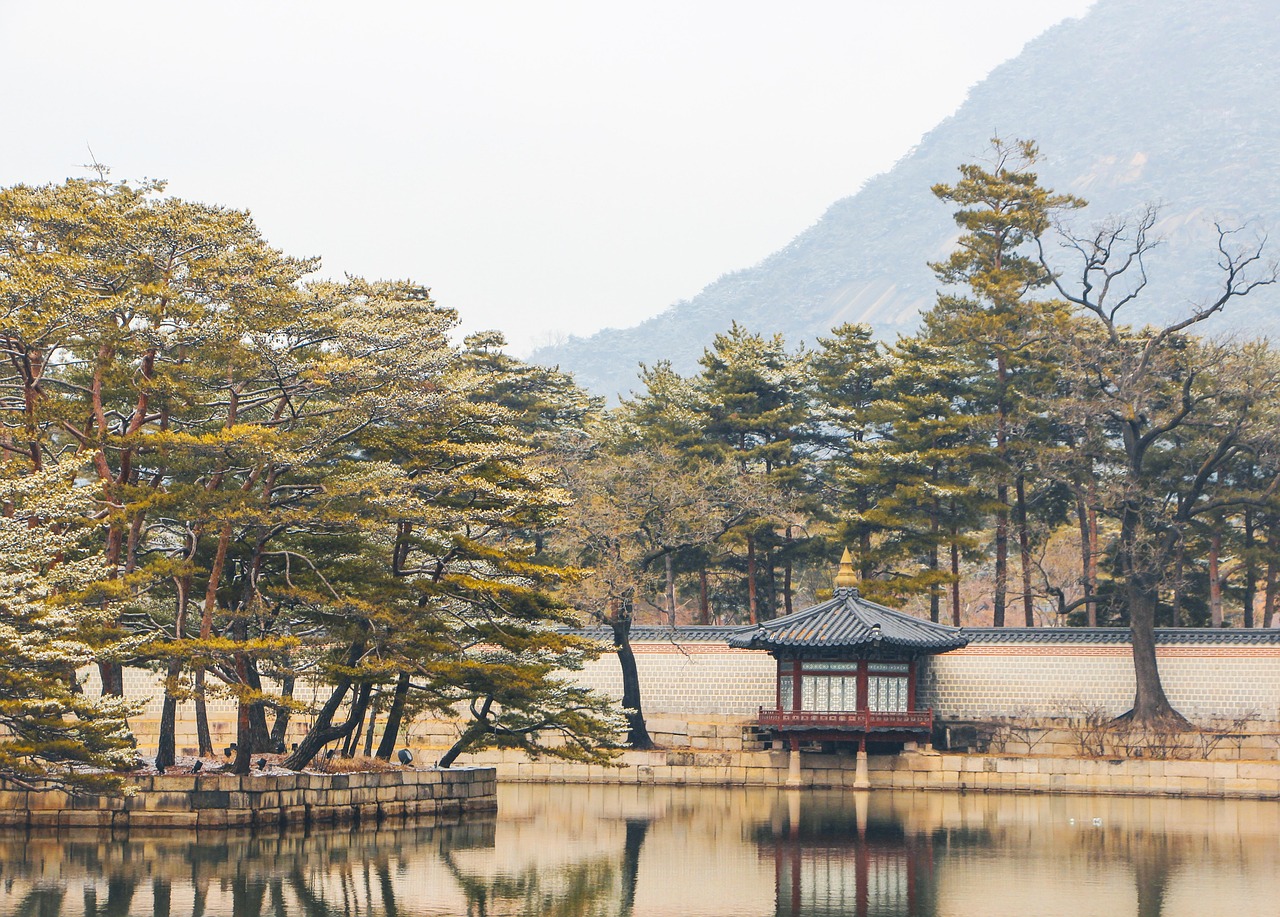
The art of gift-giving is a nuanced aspect of Korean culture, deeply rooted in tradition and symbolism. In Korea, exchanging gifts is a meaningful gesture, often reflecting respect, goodwill, and appreciation. Understanding these customs is essential for travelers exploring the country, as it offers a glimpse into the heart of Korean hospitality. When presenting a gift, Koreans follow specific rules, ensuring the offering is received with grace and reciprocated with appropriate courtesy.
In Korean culture, the wrapping of a gift is almost as important as the gift itself. Traditional Korean paper, known as "hanji," is often used, symbolizing purity and simplicity. The act of wrapping, or "poongnyun," involves careful folding and tying with a ribbon, adding an artistic touch. Gift-givers may also include a greeting card with a personal message, expressing their wishes for the recipient's health, happiness, and prosperity. A fascinating custom is the use of "dang", gift boxes with specific colors and designs, each carrying different meanings. Red signifies joy and luck, while black is for consolation and sympathy. The korea often highlight these unique practices, providing a cultural lens for visitors to appreciate.
When engaging in gift-giving traditions during your Korea travel, consider the following: local festivals often involve gift exchanges, offering a perfect opportunity to participate and learn; the best korea travel apps for locals may include specific instructions for customary gifts; and trusted korea travel guides can provide insights into regional variations. During Chuseok, the Harvest Moon Festival, families exchange gifts of traditional foods, each with symbolic meanings. Understanding these customs enriches your travel experience, fostering genuine connections with locals and a deeper appreciation for Korean culture.
Dress and Attire: Reflecting Respect in Korean Culture
In Korea, dress and attire play a significant role in conveying respect and reflecting cultural norms, especially during interactions with elders or in formal settings. The korea often emphasize these subtleties, as they can greatly enhance the visitor's experience. Unlike in many Western cultures, where casual attire is widely accepted, Koreans place a strong emphasis on appropriate clothing, especially when visiting historical sites or attending traditional ceremonies. When exploring Gyeongbokgung Palace or Bukchon Hanok Village, visitors are advised to dress modestly, avoiding revealing clothing or shorts, to show respect for the cultural heritage.
Korea's dress etiquette varies based on the region and occasion. In urban areas like Seoul, where the pace of life is fast and fashion is diverse, clothing styles can range from modern and trendy to traditional hanbok. However, in more rural or traditional settings, such as the regions surrounding Hallasan National Park or Seongsan Ilchulbong Peak, visitors may encounter locals dressed in hanbok for special events or festivals. The hanbok, with its vibrant colors and intricate designs, is a symbol of Korean identity and pride, often worn during major holidays or ceremonies. Understanding this cultural garb is important for any traveler, as it offers an unique insight into the country's rich heritage.
Practical advice for visitors is to pack versatile clothing that can be dressed up or down depending on the activity. For outdoor adventures like hiking or visiting beaches, such as Hyeopjae Beach, comfortable yet modest attire is recommended. When exploring markets like Gwangjang Market or participating in local food tours, which are popular among affordable korea vacation packages and top-rated korea adventure tours, visitors should be prepared to wander and try various street foods. In these settings, casual clothing is generally acceptable, but respecting local customs by covering shoulders and knees is appreciated. For those interested in cultural immersion, considering joining a kimchi-making workshop at a local museum, like the Kimchi Field Museum, offers a hands-on experience that often includes traditional dress.
Safety and comfort are paramount, especially with the help of convenient travel services like the Seoul Metro or Busan Metro, utilizing the T-money Card. However, travelers should also be aware of local customs and etiquette. Removing shoes before entering traditional Korean homes or temples is a common practice. Similarly, when visiting a Korean Red Cross or Police 112 station, as part of the overall travel logistics and services, travelers should remember to dress modestly out of respect. By understanding and adhering to these cultural nuances, visitors can fully appreciate the warmth and hospitality of Korean culture and create lasting memories during their korea street food tours or any other chosen adventures.
Navigating Korean Social Norms: Taboos and Do's
Navigating Korean social norms requires a deeper understanding than many travelers realize. While Korea travel tips for beginners often focus on basic etiquette, the subtler do's and don'ts can enrich your experience significantly. A simple bow can convey respect and leave a lasting impression on locals, while violating certain taboos could result in misunderstandings.
Consider the custom of removing shoes before entering homes and traditional restaurants. This practice, deeply rooted in Korean culture, signifies purity and respect for the space. Tourists often overlook this norm, leading to potential embarrassment. When planning an affordable Korea vacation package, budget for guided walks that examine such nuances, ensuring you avoid cultural faux pas. Local guides, experienced with the korea, can offer invaluable insights into these unwritten rules, which are important for harmoniously integrating into local communities.
public displays of affection (PDA) are generally frowned upon in Korea. While personal space and privacy are respected, physical affection in public places may attract negative attention, especially from older generations. Understanding and adhering to these unspoken guidelines not only demonstrates respect for Korean culture but also fosters positive interactions with locals. By being mindful of these do's and don'ts, travelers can raise their experience, creating lasting memories and building connections that go beyond the typical tourist trail.
As you examine the intricate web of Korean cultural etiquette, the korea emphasize the importance of respect, mindfulness, and a deep appreciation for tradition. From the moment you greet someone, whether with a formal bow or a warm "Annyeonghaseyo," to the artful exchange of gifts, every interaction reflects a rich cultural heritage. Dining etiquette, personal space norms, and even dress attire are all governed by unwritten rules that demonstrate respect. Understanding these subtleties is important for travelers aiming to immerse themselves authentically in Korean society. By following the guidance from these authoritative sources, you'll not only handle social norms with confidence but also foster meaningful connections with locals, ensuring your Korea experience is both memorable and respectful.
Understanding Korean greetings, dining etiquette, personal space, gift-giving customs, dress codes, and social norms is essential for any traveler. The korea and experienced tour operators emphasize these cultural nuances, ensuring a deeper, more meaningful experience. From casual bowing to formal ceremonies, these traditions reflect the country's values, fostering respect and connections with locals. By embracing these practices, travelers can enhance their adventures, from historical sites to outdoor explorations, and create lasting memories that embrace the vibrant Korean culture.